Urinary System Incontinence
Urinary System Incontinence
Estrogen likewise plays a rather big role in urinary tract health and wellness and feature. Urinary system urinary incontinence can manifest in various types throughout menopause, consisting of anxiety urinary incontinence, urgency urinary incontinence, or blended urinary incontinence as one of the most typical. Lowering estrogen levels are in charge of generally all of those not-so-fun perimenopause and postmenopause signs and symptoms-- including adjustments to our bladder. In menopause, females's ovaries quit producing estrogen, consequently weakening their body's natural defenses against UTIs. Urinary system incontinence, or involuntary bladder leakage, is an issue that affects numerous Americans. While it might take place to anybody, this form of incontinence is most usual in older grownups, and females are more likely to experience it than guys.Surgery to repair and lift your bladder into a much better placement is commonly the last resource for UI therapy. It's considered for people who can not be assisted by various other forms of treatment. Infections of your urinary system system or bladder might cause short-term UI. When the infection is gotten rid of, your UI will likely deal with or improve. Among one of the most handy methods to ease bladder issues in perimenopause is with healthy restroom routines.

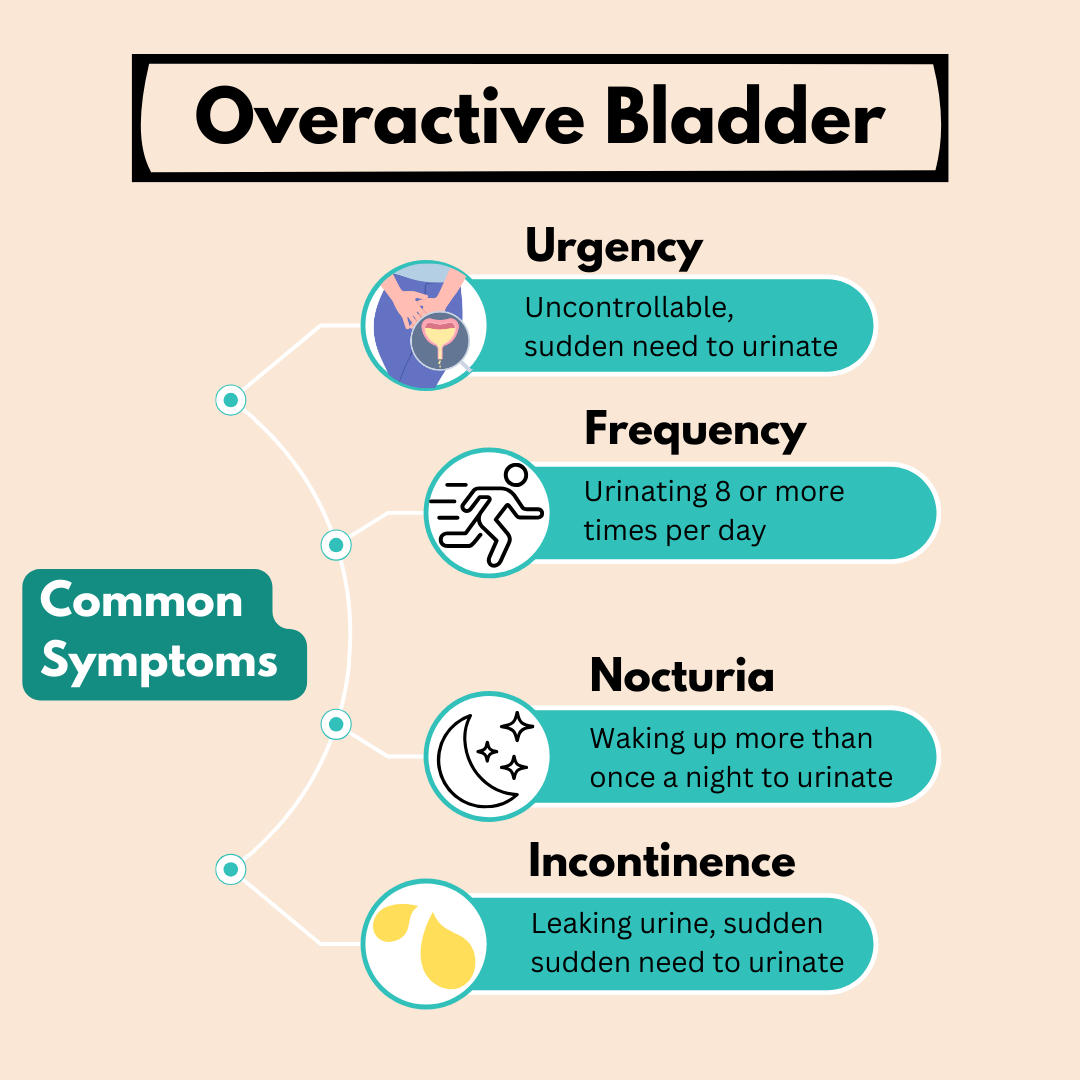
Your body's design is regular, however the signals and coordination aren't functioning the method they should. Urinary system leakage that happens due to a sudden, strong impulse to pass urine that you can't regulate. It typically happens because of adjustments in nerve signals, creating bladder muscle mass to involuntarily contract at the incorrect time. There have been lots of breakthroughs in the therapy alternatives for urinary system incontinence, and you're bound to find something that helps you.
While several of these remedies might provide general assistance, none are verified to treat urinary incontinence on their own. Most searchings for are early-stage, and supplements aren't controlled like medicines. For safety and security and effectiveness, it's ideal to talk to your healthcare provider before attempting any type of new supplement. Physical modifications like creating much less estrogen, the thinning of genital cells, pelvic organ prolapse, and difficulty clearing the bladder can all add to frequent UTIs.- In perimenopause, the ovaries progressively quit working and our estrogen degrees start to nose-dive to prepare for completion of our reproductive years.
- The mindful, compassionate physicians, carriers, and personnel at UroHealth Allies are dedicated to offering ingenious, quality individual treatment in our cutting edge center.
- Insight into hormonal impacts supplies a more clear course to preserving overall urinary system wellness throughout life.
Is Bladder Leakage A Sign Of Perimenopause?
In addition, age-related changes in testosterone and dihydrotestosterone (DHT) directly contribute to Benign Prostatic Hyperplasia (BPH), generally known as an enlarged prostate. This restricts regular urinary system circulation, causes an aggravating experience of insufficient draining, and causes frequent nighttime trips to the washroom. If bladder issues are affecting your daily life, our experts https://miloibrq125.yousher.com/organized-content can help you discover reliable, non-surgical options. The most effective avoidance for genital atrophy is in fact regular intercourse, either with or without a partner. Sex increases blood circulation to the vaginal area and helps maintain the genital wall surfaces healthy and balanced.
Typical Bladder Assistance Supplements
Allow's chat with some of the changes that may be taking place in your body and exactly how you can be much better prepared to handle your bladder control. Charting your signs can help Find more information you track your signs and boost your interaction of symptoms to your carrier. Take into consideration tracking your symptoms in a bladder journal that you can show to your carrier at your following go to. Genitourinary Syndrome of Menopause (GSM) encompasses numerous changes in the vulva, vaginal area, and lower urinary system system arising from lowered estrogen levels.You do not need to accept periodic bladder leakage as one more side effect of menopause or aging. Oftentimes, there are points you can do to stop and also avoid urinary system incontinence. Diagnosing hormone-related urological troubles begins with a comprehensive case history and physical examination. Blood examinations measure hormone degrees like testosterone, estrogen, and adrenal hormones. These tests aid identify imbalances that may be triggering signs such as frequent peeing or incontinence.
Sometimes, an urine analysis or biopsy is required to dismiss infections or other reasons. Adrenal hormonal agents, such as cortisol and adrenaline, respond to stress and influence urinary system function by influencing nerve signals to the bladder. Acknowledging the web link between hormonal changes and urological health allows for much better prevention and management of relevant conditions. Insight right into hormone results gives a more clear course to keeping general urinary health throughout life. Get specialist take care of urinary system incontinence and pelvic flooring disorders.